Image

On 1st and 2nd September 2025, community landowners, activists, scholars, cultural workers and advocates gathered at Clyde Hall, Glasgow, for a two‑day workshop exploring the future of community land rights in Scotland. The title, ‘It is from many small streams that big rivers rise’, captured the workshop’s core intention: to bring together diverse experiences, knowledges and aspirations, and to ask how they might come together into more powerful forms of collective action.
At the heart of the gathering was an invitation to look at the struggles for land reform in Scotland through a different lens. By drawing on experiences from the global South the workshop sought to open new possibilities for thinking about land, ownership and responsibility. Introducing global perspectives allowed researchers, and advocates for landform to reflect on Scotland’s own evolving landscape of community land ownership and land reform.
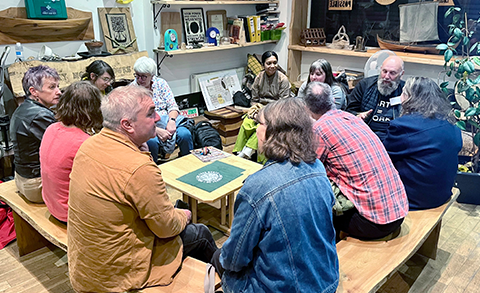
Across Scotland, communities continue to challenge the legacy of concentrated large private landownership. These communities continue to work for a more equitable and sustainable ways of relating to land. Community struggles for land reform differ in scale, political orientation, relationship to the state, historical grounding and cultural context.
This workshop aims to create a space where these differences are not obstacles but resources for solidarity and coalition building. By bringing people together, i.e., community leaders, land activists, academics, artists, and movement organiser, the event sought to strengthen collective organising while recognising that community visions are diverse.
Throughout the two days, participants collectively worked towards:
The workshop drew inspiration from the participatory and dialogical methodology of the Popular University of Social Movements (UPMS), emphasising deep listening, shared learning and collective visioning.
Day 1: introduced participants to the Reversing the Gaze Project, open with movement‑based and creative practices, and offered an overview of the Reversing the Gaze Project. Breakout sessions into key thematic areas, such as:
Day 2: picked from the conversations in day 1
While Scotland’s community land movement has achieved remarkable progress over recent decades, the coming years pose new challenges and opportunities. This workshop aims to nurture the relationships, conversations and collaborations necessary for imagining and realising alternative land futures.
By bringing together many streams of experience, knowledge(s) and hope, the workshop contributes to efforts that will carry Scotland’s land reform efforts forward.
It is our hope that the workshop would lead to several public‑facing outputs, including:
by
Mairi Gillies
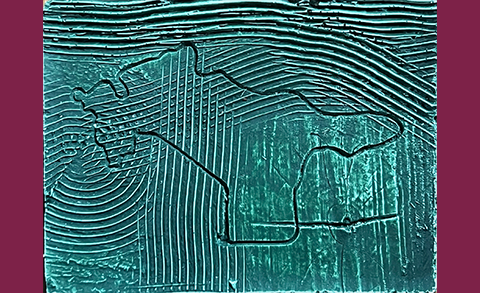
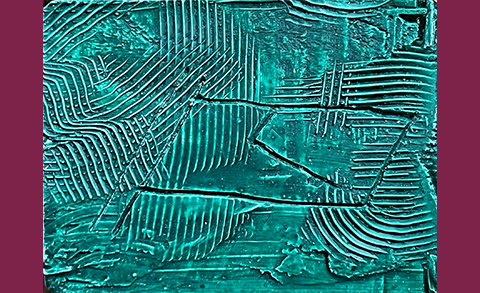
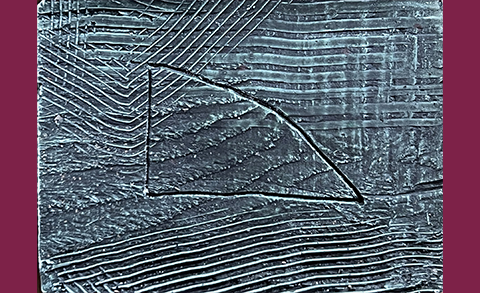
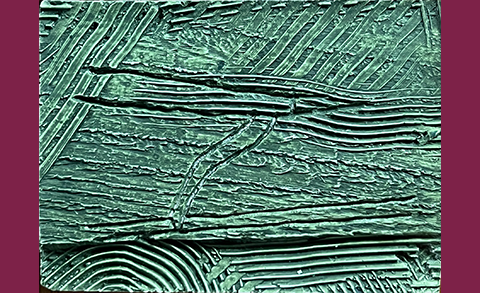
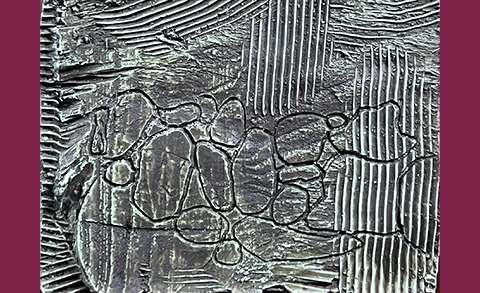
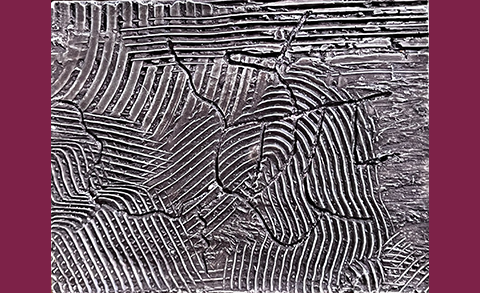
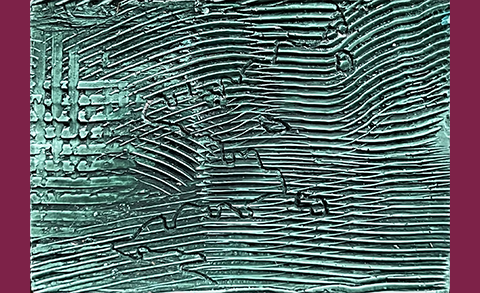
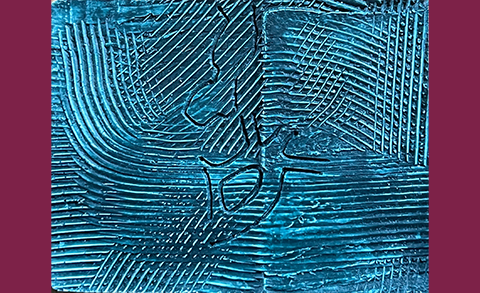
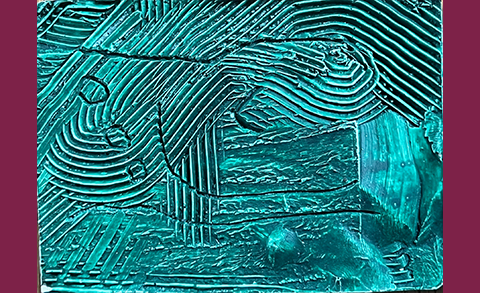
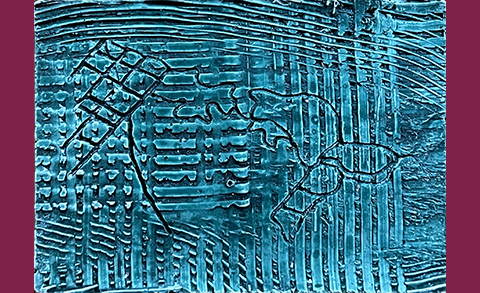
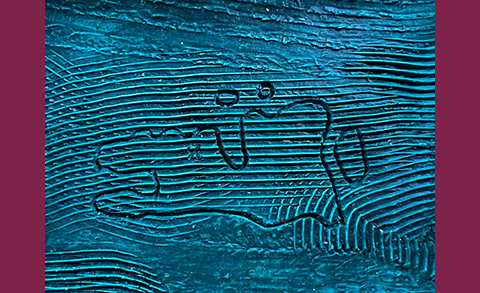
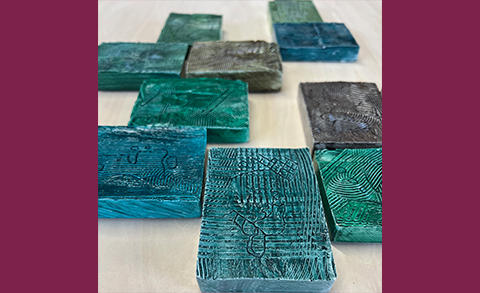
These sculptures are reflections from participants of the Reversing the Gaze workshop.
Each one is a traced map from the hand or mind of a person when asked where was their place. They include homes, workplaces, community spaces and callings. These ‘maps’ are the visuals back into a sense of place for the participant. They span rural and urban contexts, are practical, emotional, understood connections and some not yet known.
The source material included hand drawings of childhood islands, aerial maps of urban land in community ownership, croftland, photos of unearthed old walls that had been buried and unearthed, drawings of trees on crow hill, photos of crofting village boundary dykes, a volcano corona, “zone 2”, a hand-drawn coastal mindmap, a woodland planting plan and an OS Borderland Valley.
With each place came conversation; human interactions as participants shared their spaces. Eyes lighting up, mind-journeys, tangible questions answered freely alongside smiling shakes of head or shrugs of shoulders at recognition of the strength and depth of Place-called feelings. Pointed fingers tracing physical boundaries known to them, each time an eagerness to share stories bound to place. Commonality of land connected experiences alongside such diversity of places, spaces, communities and ecologies.
The sculptures are together in material and form; cast in plaster and rainwater, carved with the participants forms as they were shared. They are each unique yet similar, familiar to one another in form. They are coloured individually from a nature scale, again individual, some closer to others in tone, yet together they remain familiar.
They can be laid out, stood up, stacked, shown solo or grouped. Horizontal or vertical, in a circle or a grid, there’s no right or wrong and each iteration explores the conversation between them. They invite movement, changing hands, reallocating placement, exploring the relationships between each other. They speak of relationships, placement, internal navigation, individuality, shared experiences, plurality and connection.