Our Roman Britain Summer Residential is an educational retreat experience, open to all adult learners with an interest in archaeology and the history of Roman Britain.
Over the course of two weeks be immersed in this fascinating period of history and learn more about archaeological techniques used to undercover the wealth of Roman remains in Britain, under the guidance of world-renowned archaeologist Professor Mark Horton.
We will explore the growth and decline of Roman Britain into the so called ‘Dark Ages’ within the Cotswolds, and further afield, through a series of guided trips by Professor Mark Horton, lectures by leading academics on Roman Britain and archaeology, and an archaeological dig of a Roman site in Gloucestershire.
Who should attend?
Our Summer Residential is suitable for all adult learners, from undergraduates to retirees, with an interest in archaeology and the history of Roman Britain.
Our Summer Residential is also ideal for those wishing to gain excavation experience and practical archaeological competencies, including those with a British Archaeology Jobs and Resources (BAJR) Skills Passport working towards membership of the Chartered Institute for Archaeological (CIfA). Find out more about the Passport here.
What does the Summer Residential explore?
Week One: Myth, Memory and Monument
You will explore local Roman archaeology through a series of themed trips, including to:
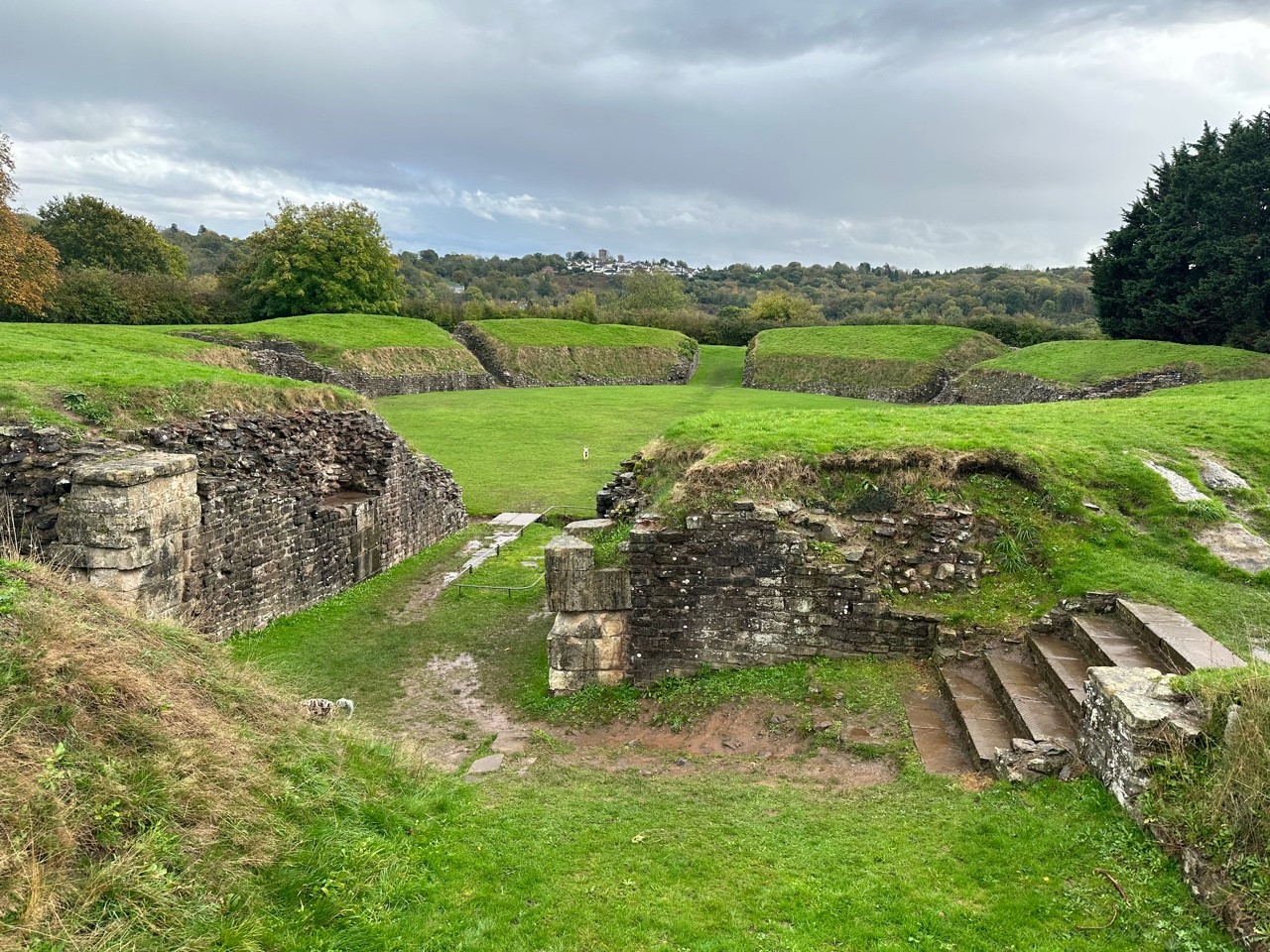
- Roman Cirencester
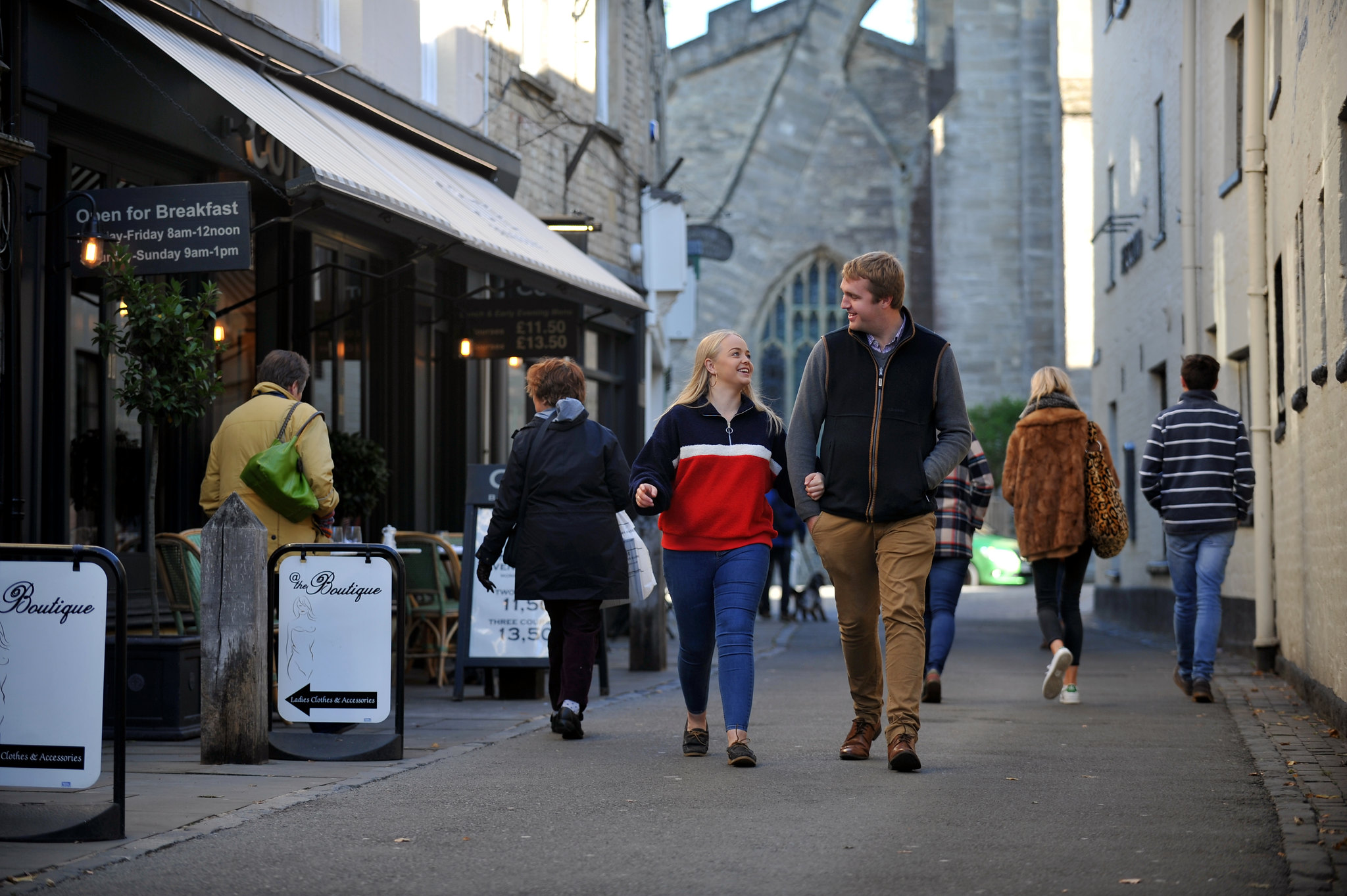
Cirencester (Roman Corinium) – where our university is located - was the capital of Britannia Prima, the western province of Britain, and by 4th century, one of the wealthiest regions of the empire.
- the City of Bath, including the Roman baths
- a selection of archaeological and heritage sites in the Cotswolds
- several 'Dark Age' sites in Wales
- key archaeology collections in London

The Roman Baths, Bath, which will be visited as part of the Summer School
You will also listen to a series of evening lectures throughout the week, delivered by Professor Mark Horton and several external guest speakers, on Roman Britain and excavation.
Ahead of the archaeological dig, you will be introduced to key aspects of field archaeology, including artefact handling and identification as well as drone use, aerial survey and geophysical survey.
Week Two: Field Archaeology
You will participate in a five-day archaeological dig, learning and employing a range of techniques.
Tell me more about the site
We are delighted to be excavating at site in very close proximity to our Cirencester campus, discovered in 2020 by a metal detectorist when they uncovered a hoard of more than 150 silver and bronze coins and metalwork.
Professor Mark Horton and his MSc students, alongside the original finder, were able to relocate the original hoard pit in 2026 and place it in its historic context.
A major ‘votive’ site dating back to the late Iron Age (c.100BC - 43AD), the coins and subsequent finds show that the site belonged to the Dobunni tribe whose capital was at Bagendon, just a few miles away from the site.
The Dobunni, well known for their active collaboration with the Roman invaders, were rapidly Romanised and may have been some of the earliest builders of countryside villas in Britain. After the Roman conquest, the Dobunni capital was relocated to Cirencester, or Corinium Dobunnorum, and Bagendon and their sacred sites were likely abandoned.
Find out more about our 2026 excavation here.
Professor Mark Horton looks forward to returning to this archaeologically significant site with Summer Residential attendees.
The archaeological field and laboratory techniques you will develop
- site location, geophysical survey and interpretation
- trench layout and excavation strategy; shovel and test pitting where appropriate
- stratigraphy, single-context recording and archaeological feature excavation
- trowelling, planning and section drawings.
- finds recovery, location recording and finds logging
- drone mapping, ground-based photography and artefact photography
- GIS surveying and mapping, including processing and interpretation of GIS and drone-survey data
- artefact cleaning, recording, cataloguing and identification.
- soil sampling and recovery methods, including pollen sampling where appropriate
- Iaser scanning, where available and appropriate
An optional extra week of excavation is available on request for those who wish to gain further fieldwork experience. Subject to validation, there is the opportunity to accrue academic credits.
Participants holding a BAJR Skills Passport may have relevant competencies assessed and signed off by Professor Mark Horton where those competencies are demonstrated during the excavation.
Your time with us will be marked by an evening celebration with a three-course dinner, certification presentation and final evening lecture.
What are the course outcomes for attendees?
Under the guidance of world-renowned archaeologist and hugely charismatic Professor Mark Horton, you should expect an unforgettable, immersive educational experience alongside like-minded enthusiasts from around the globe.
On successful completion, you will receive a Certificate of Completion endorsed by the RAU at the final dinner.
If you hold a BAJR Skills Passport, Professor Mark Horton can assess and sign off any relevant competencies you demonstrate on the archaeological dig.
Subject to validation, there is the opportunity to accrue academic credits if you participate in the optional extra week of excavation.
Who is the Summer Residential Leader?
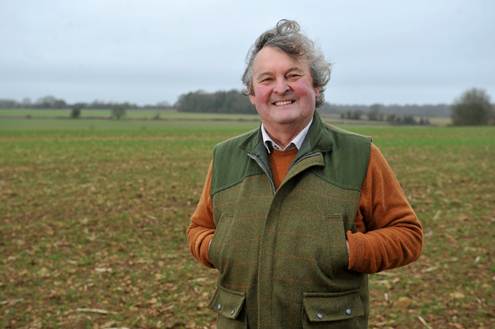
The Summer Residential will be led by world-renowned archaeologist, television presenter and author, Mark Horton, Professor of Archaeology and Pro Vice-Chancellor at the RAU, and an expert on Roman and post-Roman Britain.
What's included?
- Airport transfers on arrival and departure to/from London Heathrow and Birmingham International airports
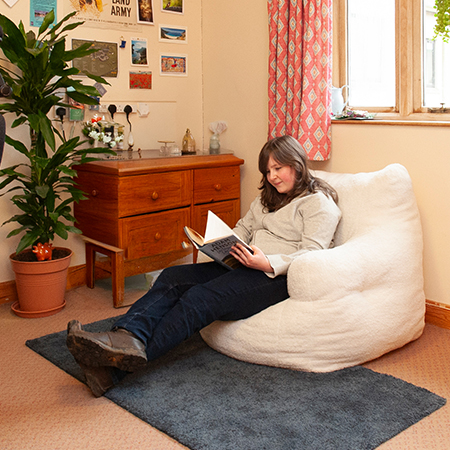
- Full-board residential accommodation at the RAU
- Local transport to all scheduled events
- Evening lectures and learning material
- Tuition and support during the excavation
- Student ambassador support, welfare, and logistics coordination
- Entry fees to all heritage sites and museums
Please note: You will need to ensure that you have your own travel insurance in place.
When is the Summer Residential?
We are delighted to be running our next Roman Britain Summer Residential from 23 May - 11 June 2027.
How much does it cost?
The early-bird, full cost for our two-week programme is £2,650 for successful applications made by 1 February 2027.
After this date, our standard, full cost is £2,800.
Applicants from RAU partner institutions will receive priority consideration and a 20% discount on fees. Eligibility for this offer will be assessed during the application process.
If you wish to participate in the optional extra week of excavation, the cost of this additional week is £650. This includes accommodation, all meals, and transport to and from the archaeological dig.
Are there any funding options?
If you are looking at grants to cover the cost of attending our Summer Residential, you may meet the requirements for a grant from The Roman Society. For more information, visit The Roman Society website here.
You may also meet the requirements for a Leverhulme Trust scheme. For more information, visit the Leverhulme Trust website here.
Additionally, you may meet the requirements for a grant from The Sidney Perry Foundation. For more information, visit The Sidney Perry Foundation website here.
What are the entry requirements?
- You must be an adult learner aged 18-years old and above with an interest in archaeology and Roman Britain
- If you are an international applicant:
- A standard visitor visa may be required; visit the gov.uk website for more details here. Please check the eligibility criteria depending on your personal circumstances, and follow the guidance listed
- You must demonstrate a minimum English language proficiency of CEFR Level B1 (Intermediate)
We recognise a range of English language qualifications and forms of evidence, including:
- IELTS Academic or an equivalent recognised English language qualification
- Cambridge English qualifications, including B1 Preliminary, B2 First and C1 Advanced
- An official certificate or letter from your home university confirming your English language proficiency is at least CEFR B1
- Evidence that you have previously studied in English, where appropriate.
This evidence is required to ensure you can understand teaching instructions, participate in practical activities, follow lectures and communicate effectively with tutors and fellow summer residential attendees.
We recommend that you are CEFR B2 (Upper Intermediate) level of English to gain the maximum benefit from the academic content of the summer residential.
Apply today
Apply via our application form here.
Applications close on 31 March 2027, with applicants informed of the result of their application on 9 April 2027.
If you have any Summer Residential queries, get in touch with us via our Summer Residential enquiry form here or call us at (+44)1285 889850.
Apply to our Roman Britain Summer Residential

Postgraduate courses